
Healthy water, healthy land, healthy communities
Freshwater makes up only 2.5% of the world’s water, with just 1% readily accessible and the majority trapped in glaciers and snowfields, leaving a mere 0.007% available to sustain 7.8 billion people.
In Ireland, the Environmental Protection Agency (EPA) reports that only 50% of our rivers, 69% of our lakes, and 36% of our estuaries are in satisfactory ecological condition. Between 2016-2021, water quality in estuaries has notably decreased, with a 15.7% rise in areas failing to meet satisfactory standards. Major contributors to water pollution include run-off from industrial agriculture, alterations to water bodies, wastewater discharges, and forestry.
Control of water pollution in Ireland is governed by the Local Government Water Pollution Acts 1977-1990 and the Water Services Act 2007-2013. For large-scale productions, details of wastewater treatment licences may need to be submitted as part of the licensing process, although water conservation is not yet mandated by law.
Pollution sources such as cigarette butts, household and personal care products, diesel, paint, leaching of synthetic textiles and urine can degrade waterways. This in turn impacts aquatic biodiversity and resilience to climate change.
A new added pressure to Ireland´s water infrastructure is the cooling requirements of data centres, which use 57% potable water, i.e. water that has been treated for human consumption (Myton, 2021). Uisce Éireann’s National Water Resources Plan indicates that 58% of water resource zones have a supply risk in normal conditions and 66% are in deficit during drought conditions (McGrath & Alamamos, 2024). Although Ireland would not be considered a water stressed country, there is a need for greater transparency in water usage and planning processes for all non-domestic, high water users in Ireland. Our future planning decisions must ensure that we can sustainably manage our water resources and ensure there is a resilient supply of water for everyone (McGrath & Alamamos, 2024).
There is also a responsibility as freelancers and arts organisation representatives to manage our data efficiently and engage responsibly with digital technologies. Gartner Consulting have calculated that AI will account for up to 3.5% of global electricity demand by 2030 (The Brussels Times, 2024). The question of ¨How do we use digital technologies such as AI responsibly?¨ arises, as Chat GPT consumes 25 times more energy than Google.
The Cultural and Creative Industries play a crucial role in making environmentally conscious choices, including the careful management of water, disposal of any chemical or synthetic products, responsible use of digital technologies, as well as waste management at events and festivals.



Some Key Actions on Water
Create work about water
Creative pieces that highlight the interconnection of the health of water, health of land, and human health are more important than ever now. Use creative practices to educate people on environmental themes in water e.g. wetland biodiversity, macroinvertebrates in rivers, citizen science monitoring of waterways, understanding flooding and climate change adaptation
BYOB - Bring your own bottle
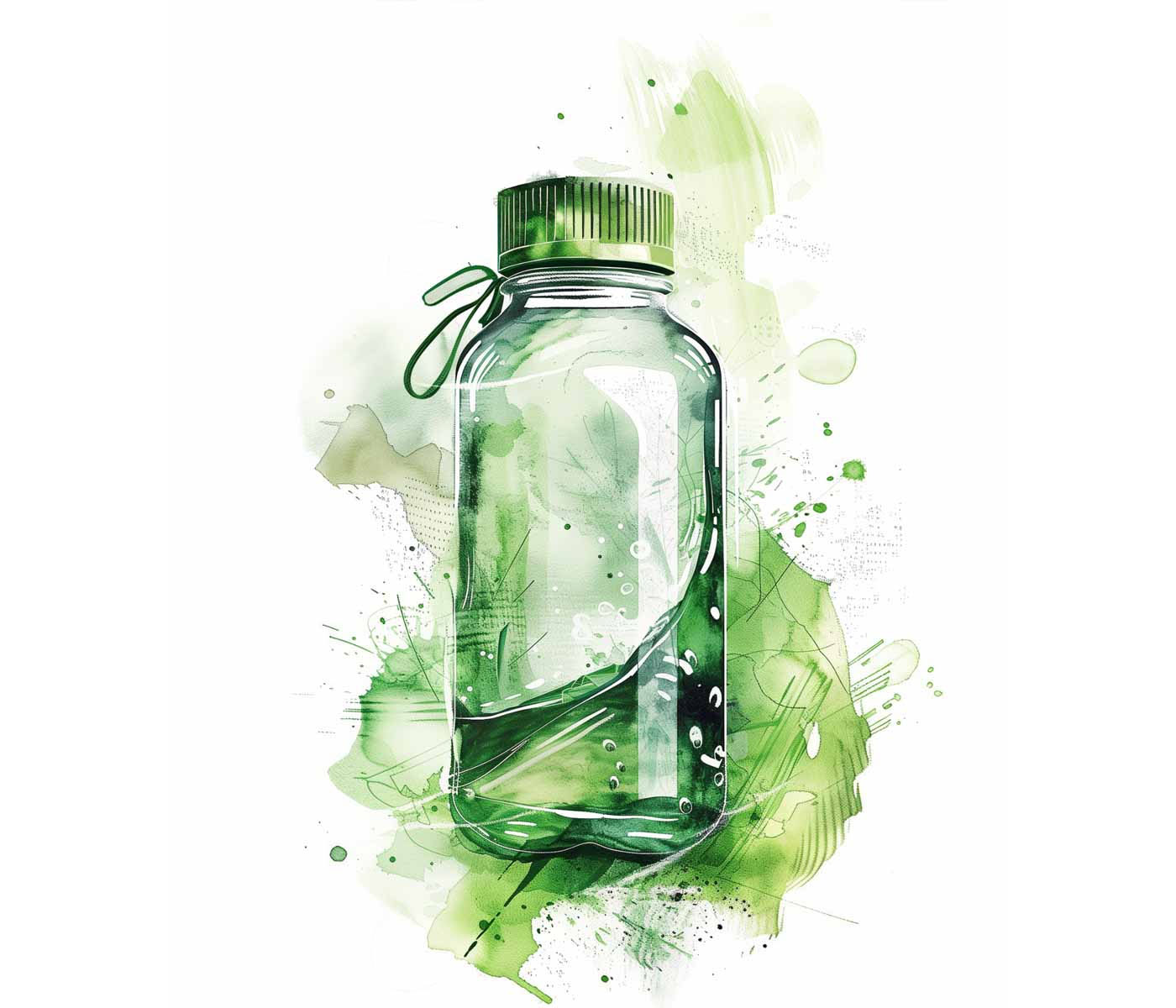
Encourage people to bring their own bottles to events or festivals and do not sell plastic bottled water
Install self-closing taps
Install self-closing taps on sinks in buildings or in the interim make clear signs to ¨Turn off tap¨
Use eco-friendly cleaning products
Use cleaning products that are made from natural ingredients. If this is not possible be sure to dilute chemicals and research proper disposal before pouring down the drain.
Recycle plastics properly
Ensure all plastic waste is collected and recycled so that it does not end up in waterways or the ocean.
Ban glitter at your events
Ban glitter at your events, even biodegradable glitter takes years to break down and ends up in our food systems through water.
Eco-friendly soaps and hygiene products
Everything that goes down the drain has an impact.
Ash trays at Festivals & Events
These can be made from waste materials e.g. spray paint aluminum cans for people to dispose of cigarette butts. If vaping is allowed at your event, ensure there are vape return stations where they can be taken to and recycled properly after the event.

