Back

Materials & Waste

Materials & Waste

Consuming less and moving to a Circular Economy

Annually, the world produces 450 million tonnes of plastic, equivalent to the weight of 67 million African elephants, with projections indicating this amount will double by 2040 (Ritchie, Roser & Samborska, 2023).

 91% of the 8.3 billion tonnes of plastic ever produced remains unrecycled (National Geographic, 2018). 

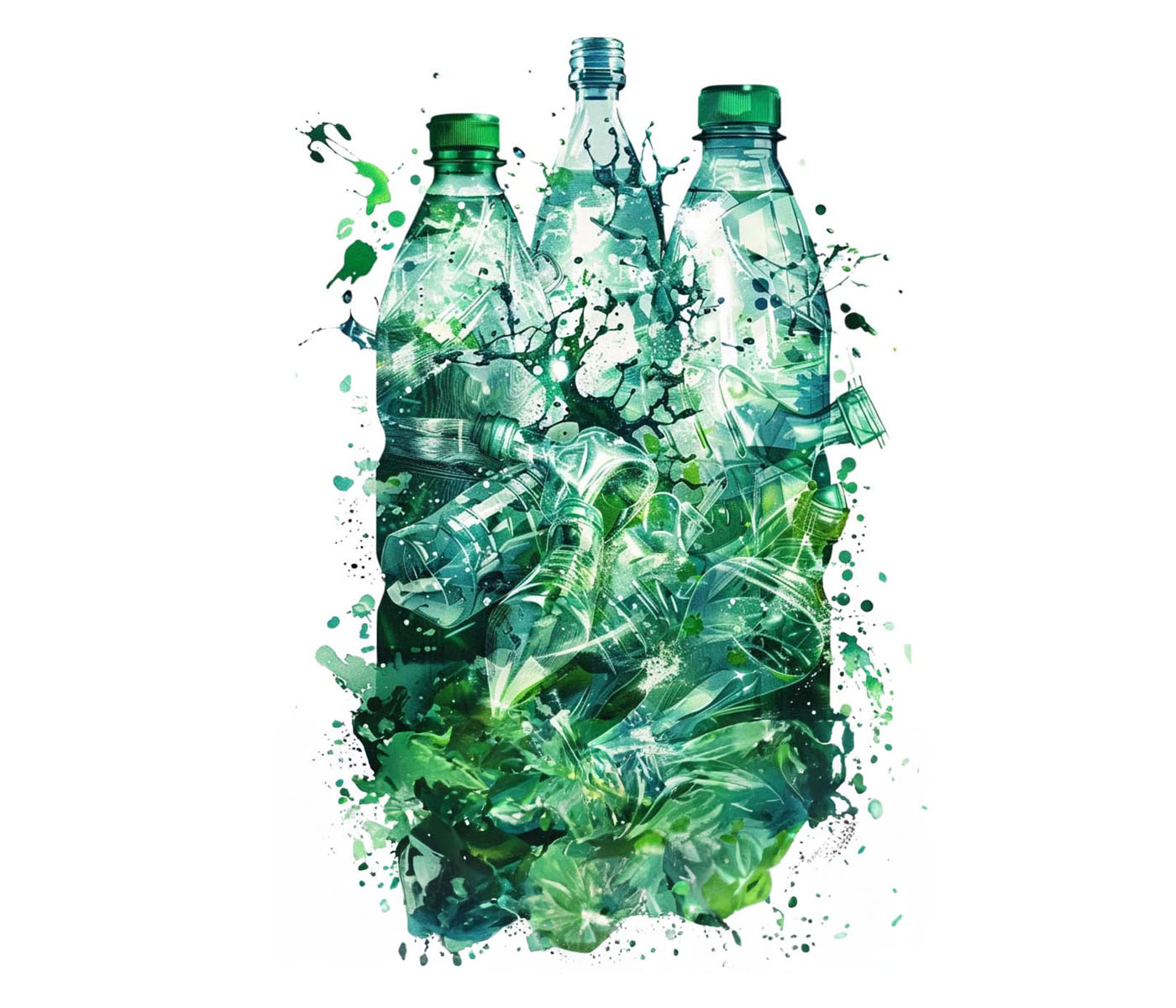
Plastic has been accumulating in landfills, polluting our waterways and oceans. As plastic cannot be broken down properly in nature, it is ingested as microplastics by wildlife and humans alike in our everyday activities. This is causing severe health issues including reproductive disorders and cancers (Goswami et al., 2024).

Beyond plastic, the overproduction and waste of textiles, construction materials, and electronics significantly contribute to global waste and environmental degradation.

Textiles

Textiles add 92 million tons of waste to landfills yearly (Earth.org, 2023).

Construction

Construction waste makes up a third of global waste and contributes to 40% of greenhouse gas emissions (European Commission, 2021)

e-waste

A record 62 million tonnes of e-waste was produced in 2022, up 82% from 2010 (United Nations Institute for Training and Research, 2024)

The underlying issue extends beyond waste and pollution to a societal “addiction” to material goods. We live in a world where the mass of human-made objects surpassed that of all living biomass on Earth in 2020 (Nature, 2020).

In Ireland, the situation is no better. In 2019 we generated 1.1 million tonnes of packaging waste, an 11% increase from 2018. Of this, plastic and paper/cardboard saw the largest increases. Only 28% of the 319,000 tonnes of plastic packaging waste was recycled in 2019, with the rest being sent for energy recovery. See Irelands most recent waste data here.

The introduction of the Circular Economy and Miscellaneous Provisions Act 2022 in Ireland marks a critical step towards addressing these issues. This act has defined the circular economy in law for the first time and promotes reusable and recyclable options, including levies on single-use items. The National Waste Management Plan for a Circular Economy also sets ambitious targets for reuse, repair, and reduction of consumption and contamination.

The cultural and creative industries are being asked now more than ever to leverage their influence for environmental change and sustainability.

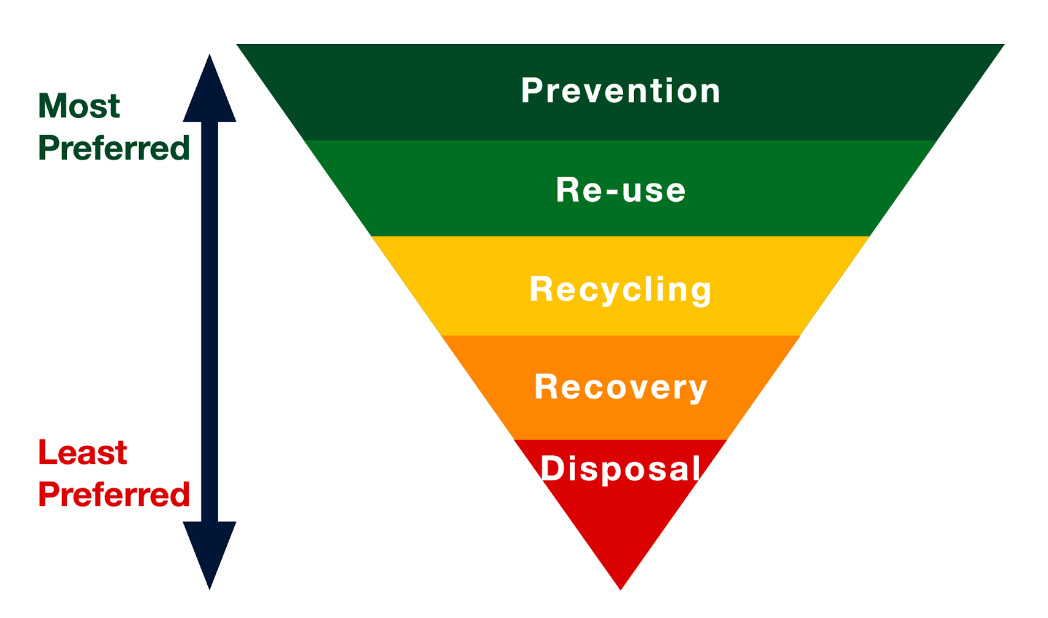
A great place to start is implementing the waste hierarchy shown on the left.

Step one is prevention – What can we do to reduce our materials needs, so that waste isn’t created in the first place? What can we do to reduce waste, can we make a switch to reusables? Following the order of the hierarchy is important, with many creative solutions emerging when we try to design out waste before it is created. You may also benefit from bringing suppliers, end users or audience members into this conversation.

Action of the day

Bring your own cup, water bottle and container with you for lunch. Ask to take away any leftovers and refill your water bottle, you´ll be surprised at how much people want to help!